Construction Glass Defect Repair
A Common Handover Problem for Builders
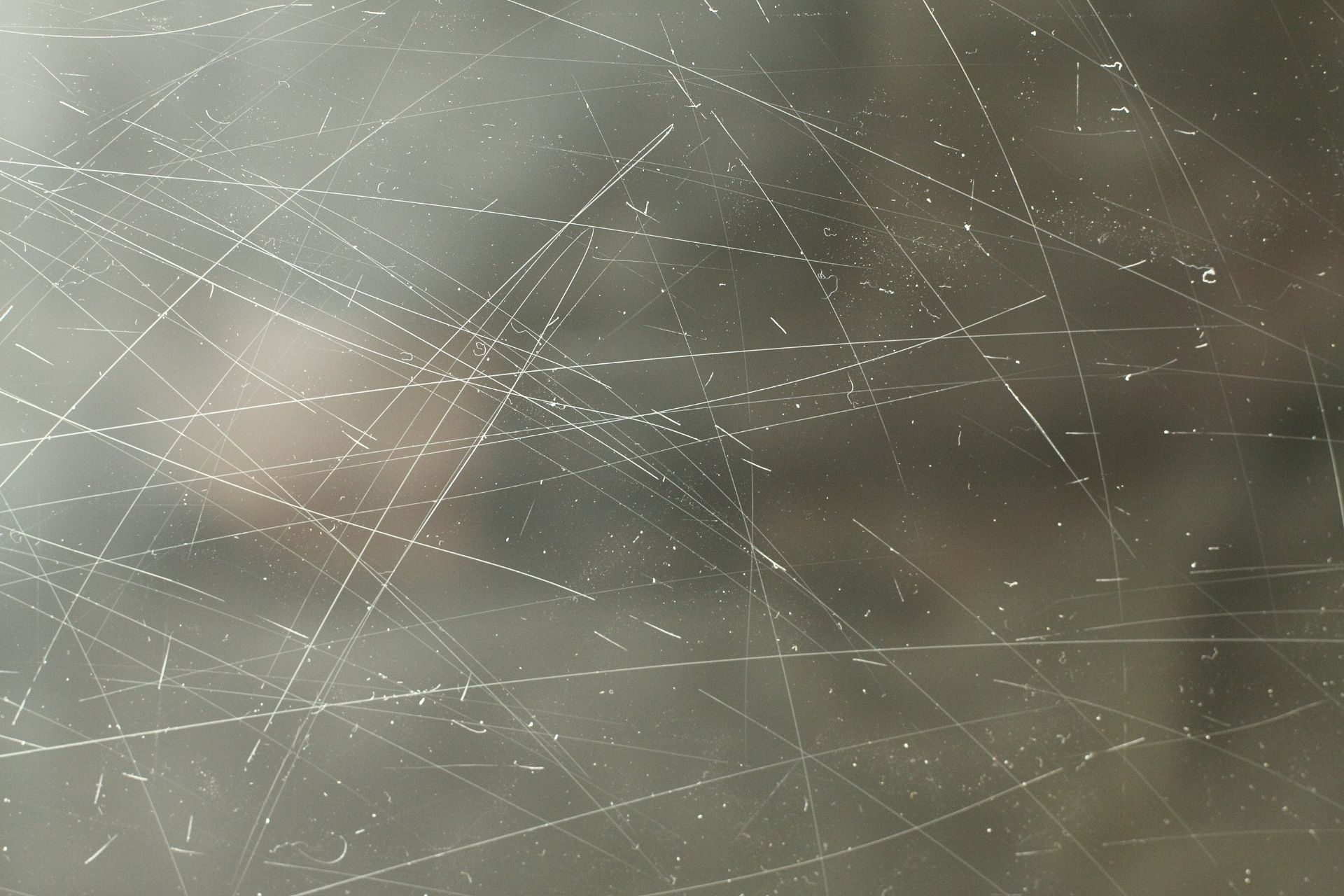
In commercial construction projects, glass is typically installed late in the build program and is one of the most closely scrutinised elements at handover. Surface defects such as scratches, weld spatter, grinder sparks, chemical staining, and installation damage can quickly escalate into costly disputes, compromising both timelines and client satisfaction.
Why Glass Defects Are Increasing on Modern Construction Sites
Construction environments are increasingly congested and fast-paced, with multiple trades operating simultaneously. As a result, glass is exposed to a higher risk of incidental damage, including:
- Sparks from angle grinders affecting balustrades, windows, and shopfront glazing
- Welding spatter impacting adjacent glass panels
- Handling and installation damage during crane lifts or panel placement
- Chemical reactions from cleaning agents on Low-E or coated glass
- Scratches caused by tools, debris, or site traffic prior to handover
The Real Cost of Unresolved Glass Defects
What may appear to be minor surface damage often has significant downstream consequences, including:
- Delayed Practical Completion: Clients are unlikely to accept unresolved defects, potentially triggering liquidated damages.
- High Replacement Costs: Specialty glazing—such as oversized, curved, laminated, or coated panels—often involves long lead times and substantial freight expenses.
- Access and Operational Costs: The need for lifting equipment, traffic management, permits, or restricted access can introduce unanticipated costs.
Rectifying defects during construction is substantially more cost-effective than replacing glass after handover, provided the work is performed by qualified specialists.
What Is Construction Glass Defect Rectification?
Glass defect rectification involves restoring damaged glazing to a compliant, handover-ready condition using specialised resurfacing and polishing techniques. This process requires skilled technicians, calibrated equipment, and strict adherence to optical and structural tolerances to avoid distortion or weakening of the glass.
In Sydney, many builders now integrate glass rectification into their handover programs to reduce disputes, minimise delays, and streamline project close-out.
The Professional Rectification Process
A commercial-grade rectification service typically includes:
- Site Inspection and Damage Assessment: Identification of defect type, glass specification, access requirements, and structural considerations.
- Protection and Site Control: Isolation of work areas and protection of adjacent finishes.
- Precision Resurfacing: Controlled removal of damage using specialised polishing systems while maintaining clarity and safety.
- Optical Quality Checks: Verification from relevant viewing angles to prevent distortion or lensing.
- Final Validation: Confirmation that rectified glass meets handover and compliance requirements.
This structured approach often restores panels initially considered non-compliant, avoiding unnecessary replacement.
Why Builders Prefer Rectification Over Replacement
Builders increasingly choose rectification because it delivers:
- Significant Cost Savings: Avoids expenses associated with new glass manufacture, transport, access equipment, and reinstallation.
- Faster Project Completion: Rectification can be performed during construction, eliminating procurement delays.
- Reduced Disputes: Shifts focus from fault allocation to timely resolution.
- Sustainability Benefits: Minimises waste and reduces the embodied carbon associated with glass replacement.
Glass defects are a common challenge on modern construction sites, but costly replacement is not always necessary. With a professional rectification partner, Sydney builders can restore damaged glass, reduce disputes, control costs, and achieve Practical Completion with confidence.