Glass Graffiti Damage – Acid Etching vs Glass Scratches
Scratched Graffiti is Physical Damage
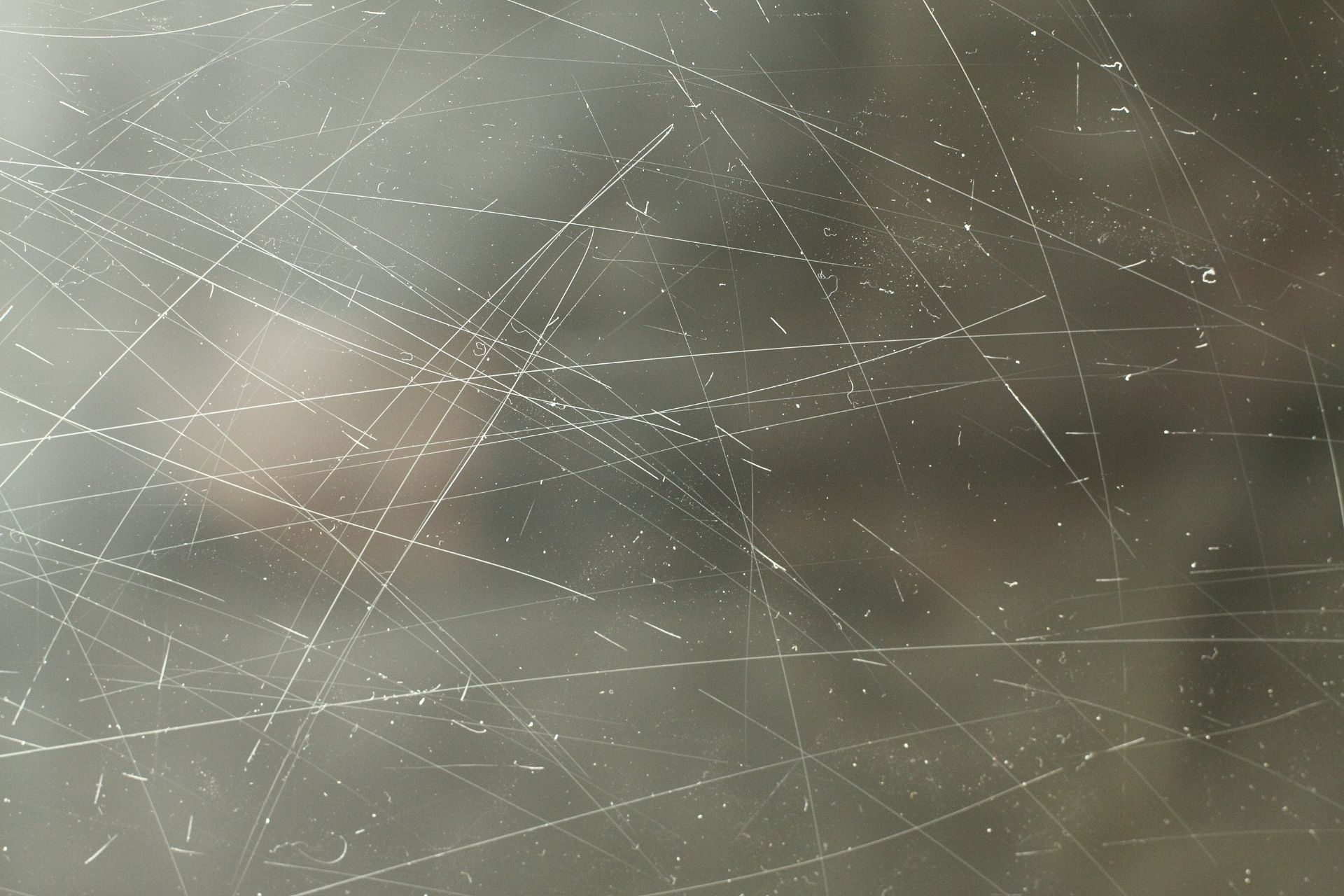
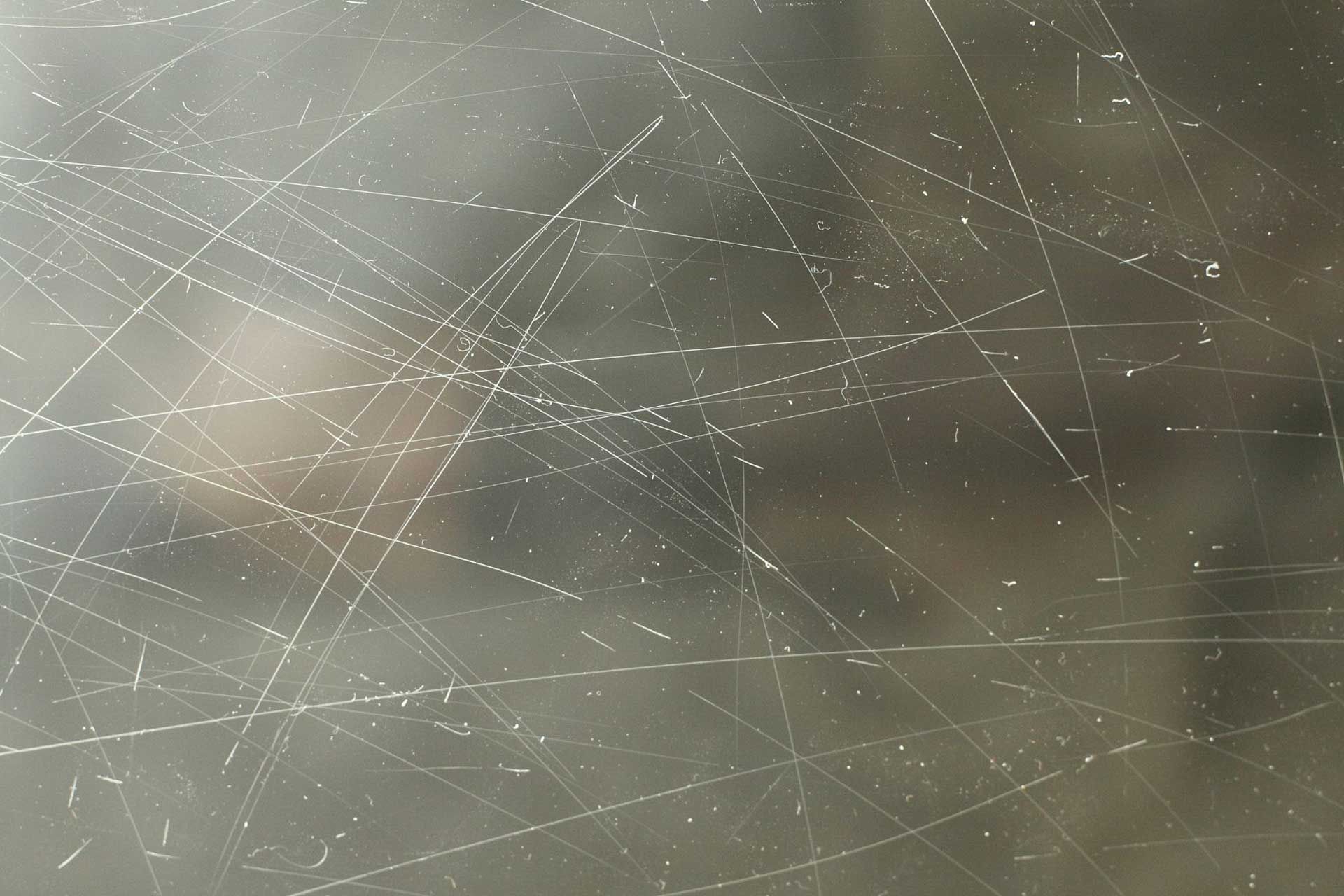
When someone drags a key or another sharp object across glass, it removes material from the surface. This creates a scratch — a physical groove in the glass. Under the right lighting, scratched graffiti often shows clear lines and directions, sometimes with raised edges along the sides of the mark.
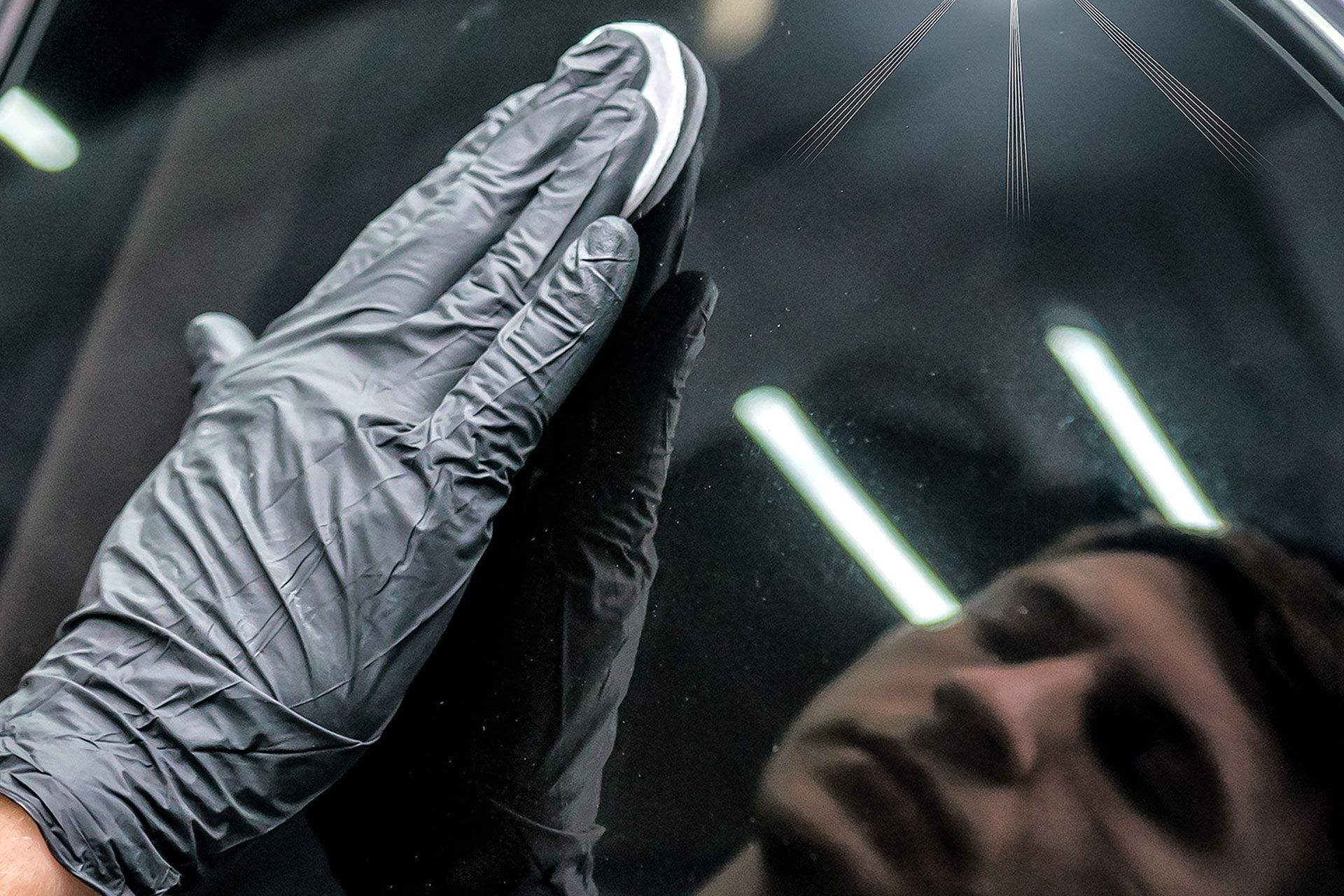
Repairing scratched glass graffiti is a mechanical process. Our glass polishing technicians use progressively finer abrasives to grind down the surrounding glass until it matches the depth of the scratch, then polish the surface back to clarity. The amount of time required will depend on how deep the glass scratches are, which is why an assessment is always recommended first.
Acid Etch Graffiti is Chemical Damage
Acid etch graffiti is different. Instead of cutting into the glass, the acid reacts chemically with the silica in the surface and dissolves it. This creates a cloudy or frosted appearance rather than sharp scratch lines. Depending on how the acid was applied and how long it remained on the glass, the damage can look soft and uneven.
There are also visual and physical differences between the two types of damage. Acid etching usually creates a more even haze across the affected area, while scratch graffiti tends to have visible lines and directional marks. Scratches can often be felt with a fingernail because the surface has been physically gouged, whereas acid etching may feel smoother because the surface has been chemically altered.
Repairing acid etch damage can still involve abrasive polishing, but the process is different from scratch repair. The methods, chemicals, and risks involved vary, so it is important to use someone experienced specifically in acid etch restoration.